Skip to main content Skip to footer

Workshop Overview

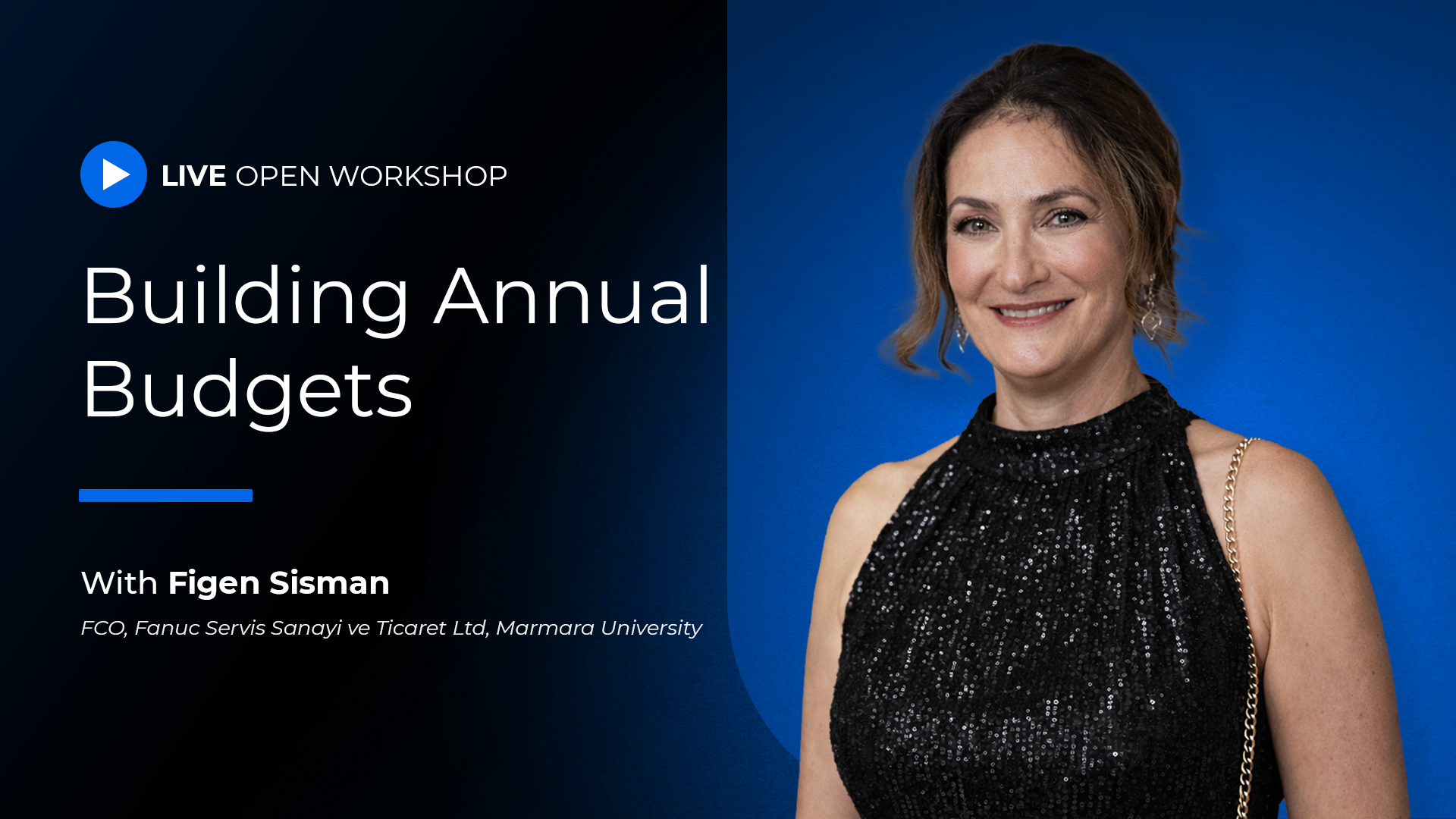
This live online workshop is delivered by Figen Sisman, FCO, Fanuc Servis Sanayi ve Ticaret Ltd, Marmara University. She helps your managers own the numbers behind their decisions. In this hands-on budgeting workshop, we break down P&L, cost drivers and variance logic, then build a clear, structured yearly budget aligned with strategy. Your team leaves confident, accountable and ready to protect margin and cash.

Programme Structure

Key Module 1: Why Companies Need a Budget

This module introduced budgeting as a key tool in managing a company’s finances. It explained how budgets support planning, control, and decision-making, and how they are linked to overall business strategy. Participants explored how companies use budgets to set financial direction and align activities with goals.

The session also covered common challenges faced by companies without proper budgeting, such as overspending, lack of financial control, and cash flow problems. A case discussion helped illustrate the real consequences of operating without a structured budget.

This module explained what a company budget looks like and how it functions in practice. It clarified the structure of a basic budget and distinguished between a budget, a forecast, and actual financial results.

Participants became familiar with different time perspectives, including annual and monthly budgets, and reviewed key types of budgets such as operating, sales, and cash budgets. A practical example helped them identify core elements like income and expenses.

This module focused on the main components of a corporate budget. It covered revenue streams, cost of goods sold, operating expenses, and capital expenditures. It also introduced key financial results such as gross profit and net profit.

Through exercises, participants practiced classifying costs and understanding how each element of the budget contributes to the company’s overall financial performance.

This module developed participants’ ability to interpret and analyze budget data. It explained how to assess revenue trends, cost structures, and profitability, as well as how to compare planned and actual results.

Participants worked with examples to identify variances and recognize warning signs such as rising costs or declining margins.

A case study allowed them to apply these skills in a practical context.

This module guided participants through the full budgeting process. It demonstrated how companies set objectives, forecast revenues, estimate costs, and allocate resources across departments.

The importance of realistic assumptions and cross-department collaboration was emphasized. Participants also worked in groups to prepare a simple budget, applying the concepts learned during the training.

This module summarized the overall value of budgeting in a corporate environment. It highlighted how budgeting improves financial control, supports better decision-making, and enhances coordination within the company.

Participants discussed how budgeting contributes to long-term planning, risk management, and organizational alignment. A reflection exercise helped connect these benefits to real business situations.

This module summarized the overall value of budgeting in a corporate environment. It highlighted how budgeting improves financial control, supports better decision-making, and enhances coordination within the company.

Participants discussed how budgeting contributes to long-term planning, risk management, and organizational alignment. A reflection exercise helped connect these benefits to real business situations.

Business Outcomes

  • Establish a structured annual budgeting process that protects margins, controls costs, and aligns departmental spending with financial targets and growth objectives.
  • Improve financial predictability by identifying revenue drivers, cost structures, and variance risks early, enabling faster corrective action and sustainable cash protection.
  • Strengthen cross-department accountability through realistic forecasting, disciplined resource allocation, and performance tracking tied directly to profit outcomes and cash flow stability.


Is this right for your organisation?

This is a good fit if you need to:

  • Strengthen financial control by eliminating overspending, improving cash flow visibility, and aligning departmental spending with revenue targets and profit objectives sustainably. 
  • Protect margins and profitability through structured revenue forecasting, cost classification discipline, and proactive variance analysis before financial performance deteriorates early warning. 
  • Increase strategic decision confidence by implementing realistic annual budgeting processes that connect long-term objectives, resource allocation, and measurable financial outcomes consistently.

Workshop Impact:

Where you can apply these skills immediately:

  • Design structured pricing strategies that align product segmentation, automate daily price updates, and differentiate channels without eroding competitive margins sustainably confidently.
  • Manage multi-channel pricing decisions by applying clear policies, responding to competitor movements, and protecting profitability during marketplace negotiations in fast-paced environments.
  • Run data-driven promotions that increase conversion rates, calculate margin impact accurately, and prevent revenue losses from reactive discounting across product portfolios.

Next steps (Request team access)

We’ll reply with pricing, access options, and a simple rollout plan

Talk to an Expert

Contact Expert

Download Overview

Get PDF Guide