
 info@globalu.com


definitions, project vs operations, lifecycle gates, roles, stakeholders, Waterfall vs Agile/hybrid
Follow us on :

Planning and Controlling Projects
to Prevent Budget Overruns
This is a part of GlobalU workshop series

Planning and Controlling Projects to Prevent Budget Overruns
This is a part of GlobalU workshop series

Objective
Equip teams to govern projects end-to-end, reduce risk, and deliver value consistently

Online Workshops
Dates:
18-19-Apr-26 | 15-16-Jun-26
Duration: 2 Days
9:00am – 5:00pm
Workshop Overview
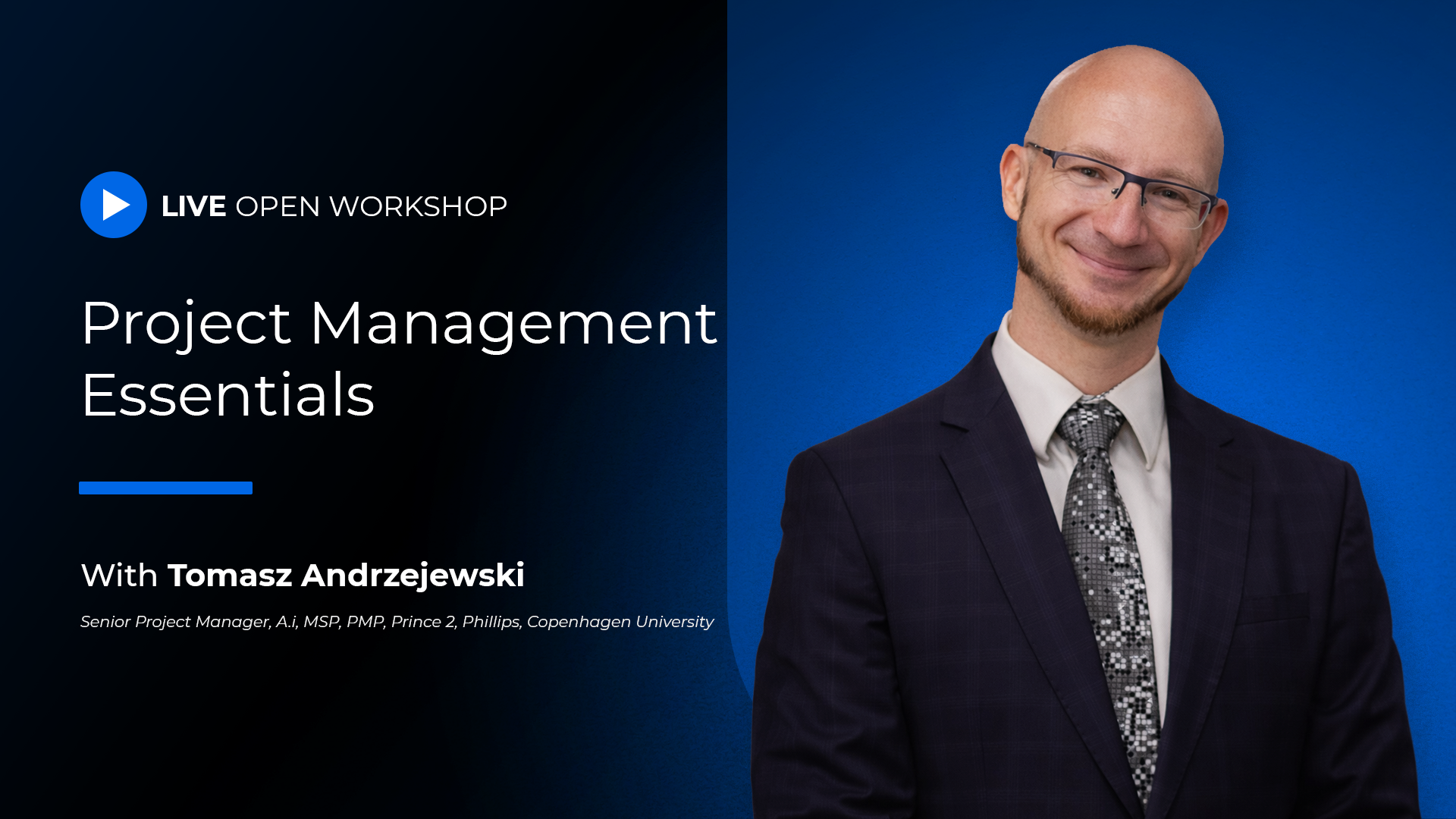
This live online workshop is delivered by Tomasz Andrzejewski, Senior Project Manager, A.i, MSP, PMP, Prince 2, Phillips, Copenhagen University. He helps teams plan, execute and control complex projects with clarity and discipline. A two-day, hands-on introduction to project management based on practical delivery experience. Participants learn the essentials (definitions, roles, lifecycle gates, stakeholders, Waterfall vs Agile/hybrid), then build a realistic plan (requirements → deliverables → quality/acceptance → schedule/baseline) and practice how to run execution, track progress, manage change, and close the project properly.
Programme Structure
strategic objective, stakeholder strategy, product vision, constraints, usage of past lessons learned, business risk, Project Charter + Kick-off
Key Module 3: Governance & Communication
project organization, decision paths, escalation logic, communication cadence and routines
Key Module 4: Requirements → Deliverables → Acceptance
documentation & prioritization, deliverable ownership, quality and acceptance criteria, QA vs QC
Key Module 5: Planning & Baseline
phases/milestones, sequencing, estimation, resources/calendars, critical path, baseline + planning uncertainty
Key Module 6: Execution, Control & Closure
stage planning, delegation, progress tracking, corrective actions, change/configuration basics, formal closure & lessons learned
Key Module 7: Closure & Lessons Learned
acceptance, settlement, evaluation, knowledge capture, team release, admin closure
Business Outcomes
- Standardise project initiation and planning to eliminate ambiguity, align stakeholders early, and prevent costly rework, delays, and resource overload across teams.
- Implement baseline scheduling, dependency mapping, and critical-path control to increase delivery predictability, optimise resource allocation, and reduce execution bottlenecks at scale.
- Strengthen execution governance through structured progress tracking, risk management, and change control, ensuring projects close on time with measurable value delivered.
Is this right for your organisation?
This is a good fit if you need to:
- Reduce project chaos, missed deadlines, and resource overload by implementing structured planning, baselines, and clear decision gates across initiatives organisation-wide consistently.
- Standardise project governance, stakeholder alignment, and escalation logic to prevent delays, unclear ownership, and costly execution drift during critical delivery phases.
- Increase delivery predictability and execution control through measurable objectives, realistic scheduling, proactive risk management, and disciplined closure with lessons learned embedded.
Workshop Impact:
Where you can apply these skills immediately:
- Initiate cross-functional projects with charters, stakeholder maps, measurable objectives, and kick-offs that align teams from day one and define decision paths.
- Plan schedules and resources using dependencies, critical path, and baseline tracking to prevent overload, clarify priorities, and control delivery progress effectively.
- Manage execution through structured delegation, risk tracking, corrective actions, quality acceptance criteria, and formal closure that captures practical lessons learned consistently.
Next steps (Request team access)
We’ll reply with pricing, access options, and a simple rollout plan

Talk to an Expert


